

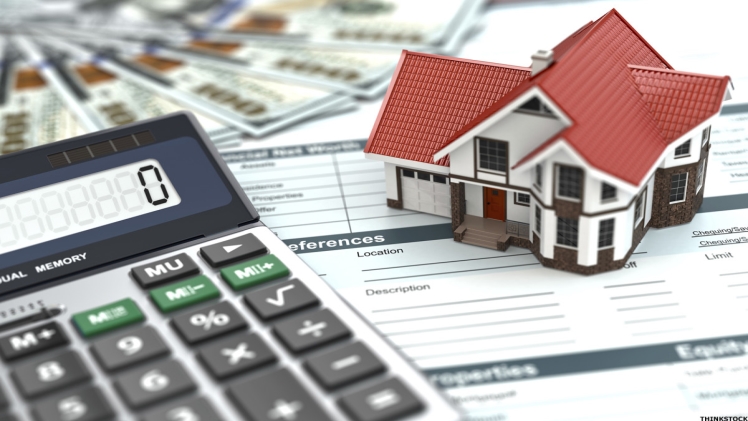
Buying a house is one of the biggest investments a person can make in their life. Knowing how much you need to put down on a house can help you plan and budget for the purchase. In this article, we’ll discuss the typical down payment amounts, factors that can affect it, and tips for saving for a down payment.
How Much Is a Down Payment?
When making a purchase of a home, a down payment is a sum of money that is paid upfront to the seller. It is typically a percentage of the total purchase price. Here are the average down payment amounts for different loan types:
- FHA loan: 3.5%
- Conventional loan: 5-20%
- VA loan: 0%
These down payment amounts are just estimates, as the exact amount you’ll need to put down will depend on several The Celebrity Portal.
Factors Impacting Down Payment
The down payment amount is affected by the loan type, the lender, the borrower’s credit score, and the size of the loan. For instance, if you get an FHA loan, you’ll need to put down 3.5%. If you get a conventional loan, you may need to put down 5-20%.
Credit score is also a factor when it comes to down payments. Generally, the higher your credit score, the lower your down payment will be. Lenders may be willing to accept a smaller down payment if you have a higher credit score.
Finally, the size of the loan can affect the down payment amount. For instance, if you’re getting a loan for more than $417,000, you may need to put down a larger down payment.
How to Save for a Down Payment
Saving for a down payment can seem daunting, but there are a few strategies you can use to make it easier.
First, start by setting a goal. Figure out how much you need to save and how long you’ll need to do it. It can also help to set smaller goals along the way, such as saving a certain amount each month.
Second, create a budget. Figure out where your money is going and look for ways to cut back. You may be able to save more by reducing your expenses or finding ways to increase your income.
Finally, open a savings account specifically for your down payment. This can help you stay on track and ensure your money is being used for its intended purpose.
Buying a house is a major investment, and understanding the down payment amount is an important part of the process. Knowing the typical down payment amounts, factors that can affect it, and strategies for saving can help you plan and budget for your purchase. With the right preparation, you can be on your way to owning a home.
