

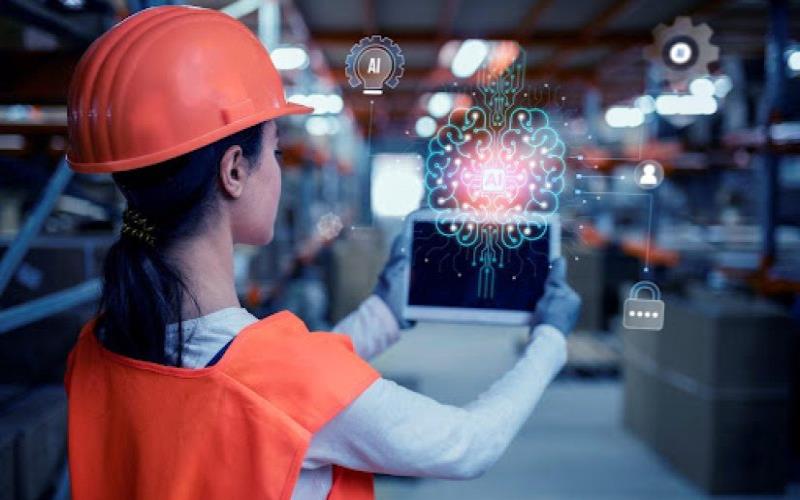
Workplace security has transcended from traditional locks and keys to a complex tapestry that weaves physical safety and digital integrity to form products like fire sprinkler inspection software. Integrating cutting-edge technology into security measures has become paramount as businesses navigate the challenges of protecting sensitive data, intellectual property, and their workforce. Innovative solutions like biometric systems, cybersecurity protocols, and surveillance automation aren’t just enhancements but necessities in thwarting modern threats. This shift reflects a broader understanding that a secure environment is fundamental to any organization’s operational success and longevity. The global rise in security breaches intensifies the urgency to adapt to this evolving landscape, necessitating a proactive and tech-savvy approach to workplace safety.
Surveillance Technologies
Surveillance technologies have substantially transformed by integrating artificial intelligence (AI) and machine learning. CCTV systems and advanced surveillance cameras now come equipped with facial recognition, motion detection, and even anomaly detection, allowing for smarter monitoring and threat assessment. AI algorithms can analyze video footage in real-time, significantly reducing the response time to potential security incidents.
Additionally, these intelligent systems can be trained to recognize and alert for specific patterns or behaviors that may indicate a threat, thereby enhancing the efficiency and effectiveness of security protocols. The proactive nature of AI-integrated surveillance technologies is setting new standards in threat detection and response within workplace security.
Access Control Systems
Access control systems are critical in safeguarding the workplace by regulating who can enter specific areas and under what conditions. These systems often utilize keycards, biometrics, and smart access technologies to ensure that only authorized personnel can gain entry. Keycard access systems operate on the principle of restricted physical tokens, typically magnetic or embedded with RFID chips, which authenticate an individual’s clearance level.
Biometric solutions, such as fingerprint scanners and facial recognition software, offer a higher level of security by uniquely identifying individuals based on their physical characteristics, making unauthorized access substantially more challenging. Smart access technologies further elevate workplace security by integrating with mobile devices, allowing for remote authorization and real-time monitoring of access events. Collectively, these systems serve as efficient mechanisms to prevent unauthorized entry, thereby playing a crucial role in the overall security fabric of the modern workplace.
Cybersecurity Measures
Cybersecurity measures protect an organization’s intangible yet critical assets, such as proprietary information, customer data, and internal communications. In an age where cyber threats are increasingly sophisticated, implementing comprehensive cybersecurity protocols is non-negotiable. Firewalls act as the first line of defense, effectively creating a barrier between trusted internal networks and untrusted external networks. They scrutinize incoming and outgoing network traffic based on predetermined security rules, preventing unauthorized access.
Encryption is another essential tool, transforming sensitive data into a coded format that is unintelligible to unauthorized users – this secures information at rest and during transmission. Moreover, secure communication channels, such as Virtual Private Networks (VPNs) and Secure Sockets Layer (SSL) connections, ensure that data remains confidential and untouched during transfers over public networks. By deploying these layered security measures, businesses create a formidable shield against the myriad of cyber threats endangering their digital assets.
Emergency Response And Notification Systems
Emergency Response and Notification Systems are incomplete without regular safety checks such as fire sprinkler inspection. They are essential to an effective workplace security strategy, leveraging technology to disseminate alerts and efficient crisis management communication rapidly. Sophisticated systems integrate mobile apps and devices that employees can use to receive immediate notifications in an emergency.
These technologies enable a swift organizational response by facilitating real-time information sharing and providing clear instructions on emergency procedures, thereby minimizing confusion and optimizing evacuation or lockdown protocols. Additionally, mobile technology can assist in accounting for personnel during and after an event, helping to ensure that all employees are safe. These systems are indispensable for maintaining situational awareness and coordinating with first responders by bridging communication gaps during critical moments.
The Future Of Workplace Security Technologies
The future of workplace security technologies is poised to be revolutionized by the advancements in predictive analytics and artificial intelligence (AI). These technologies are expected to bring unparalleled preemptive security measures by analyzing vast data to predict and thwart potential security breaches. Furthermore, integrating the Internet of Things (IoT) and smart devices promises to significantly enhance surveillance and access control systems.
Smart sensors and cameras can continuously monitor the workplace for any unusual activity. At the same time, IoT-enabled locks and security checkpoints can offer real-time adjustments to security protocols, dynamically responding to threats. Together, these advancements will tighten the security perimeters and introduce a more adaptive, intelligent, and responsive security ecosystem.
Conclusion
Embracing modern technology is pivotal for developing a robust workplace security strategy. From the basic yet critical roles of firewalls and encryption to the sophisticated realms of AI and predictive analytics, technology has become invaluable in protecting against cyber threats and ensuring employee safety. It offers businesses the tools to react swiftly to emergencies and forecast and prevent potential incidents through data analysis and real-time monitoring. As threats continue to advance, businesses must stay ahead of the curve by adopting these modern security technologies. In doing so, they safeguard their most valuable assets—data, reputation, and, most importantly, their people. Organizations are encouraged to take action, investing in and continually updating their security-focused technology.
