

Introduction
Many modern applications depend on fingerprint recognition systems for extra security and safety. They allow digital businesses to identify and recognize users easily. Fingerprint recognition systems are widespread in mobile devices and other wearables. Also, they are popular in smart home and industry applications.
They enhance data security and entry identification. In today’s digital world, two common fingerprint recognition systems exist. They include capacitive and optical. Before you can get inspiration from these fingerprint and eye scanner examples, let’s find out how these systems translate the images into digital code.
Fingerprint Optical Scanner
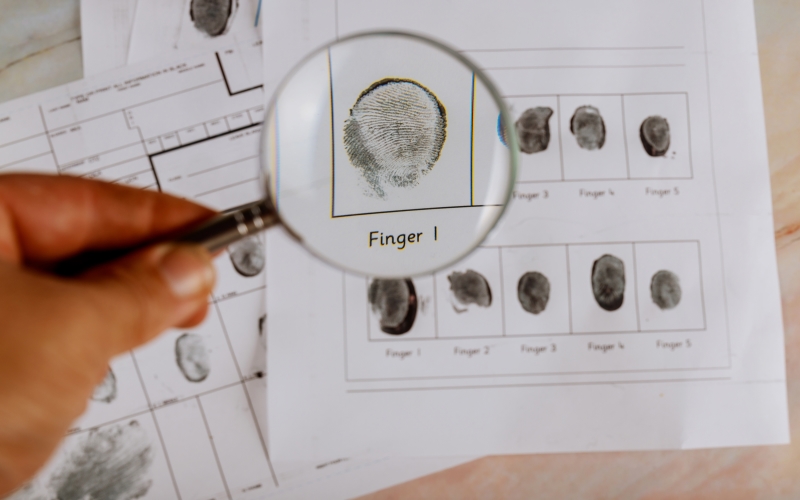
Optical fingerprint scanners work by shining a brighter light over the fingerprint. As they do so, they take a digital image. The light-sensitive microchip makes a digital photo by capturing the valleys and ridges of the fingerprint. It converts them into 0s and 1s, creating the user’s personal code.
Capacitive Fingerprint Scanner
Capacitive fingerprint scanners are popular, especially on mobile devices. These scanners measure the finger using human conductivity. They create an electrostatic field, creating a digital code based on the electrostatic field. Capacitive fingerprint scanners use small capacitor array circuits. The work of these circuits is to track the fingerprint detail.
It uses the fingerprint ridges of the finger placed over the conductive plates, changing the charge stored in the capacitor. The valleys leave the charge on the capacitor uncharged. Capacitive fingerprint recognition systems have operational amplifier integrator circuits that track these changes, which an analog-to-digital converter can record. Also, it provides a platform where this digital code or data can be analyzed.
This technology is harder to bypass. The main reason is that an image can’t get past a capacitive fingerprint scanner. Any other different fingerprint image or material will record different alterations in charge on the capacitor. A capacitive fingerprint scanner is pricey, more complex, and secure.
Comparison and Authentication
Once the scanner scans the fingerprint and transforms it into a digital code or biometric schema, the data is encrypted and transported to the authentication service. Here, it’s compared against the initial code or schema. Is there a match? The system gives an authentication. It’s important to keep in mind that some degree of flexibility is provided in the comparison phase.
The authentication mechanism usually compares and approves fingerprint digital codes or schemas within a certain failure rate. Any changes to the scanner, including dirt/scratches, or to the finger, including cuts, sweat, or dirt, could easily alter the fingerprint enough to give a false positive.
As businesses become more advanced and identification technologies grow rapidly, there is a need for accurate and reliable fingerprint readers. You can buy fingerprint readers here if you’re after a reliable identification system to enhance your security.
