

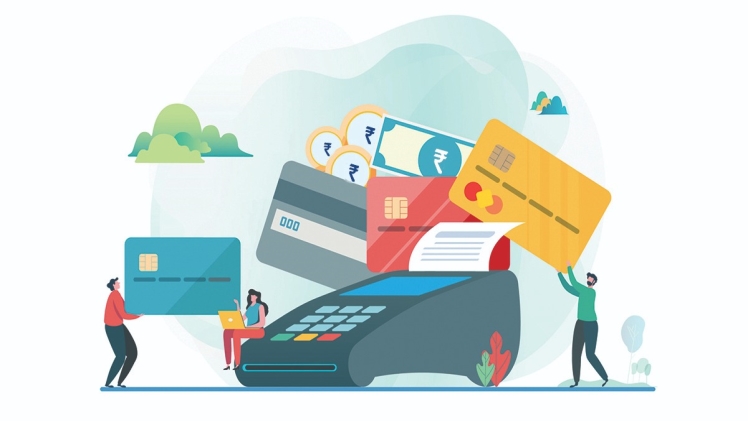
Introduction: In the modern era, digital payment methods have transformed the way we conduct financial transactions, offering convenience, security, and efficiency to consumers and businesses alike. From mobile wallets to cryptocurrencies, digital payments encompass a diverse array of technologies and platforms that facilitate electronic transactions in the digital economy. In this comprehensive exploration, we delve into the origins, evolution, and profound impact of digital payments on commerce, finance, and society.
Origins of Digital Payments: The concept of digital payments can be traced back to the advent of electronic banking systems in the mid-20th century. With the introduction of credit cards, Automated Teller Machines (ATMs), and electronic fund transfers, traditional banking transactions began to shift from physical to digital channels. However, it was the emergence of the internet in the late 20th century that paved the way for the widespread adoption of digital payment methods, enabling seamless and secure online transactions across geographic boundaries.
Evolution of Digital Payments: The evolution of digital payments has been characterized by continuous innovation and technological advancements, driven by the convergence of finance, telecommunications, and information technology. Key milestones in the evolution of digital payments include:
- Online Payment Gateways: In the early days of the internet, online payment gateways such as PayPal, founded in 1998, revolutionized e-commerce by enabling secure and convenient online payments between buyers and sellers.
- Mobile Payments: The proliferation of smartphones and mobile devices has led to the rise of mobile payment platforms, allowing users to make transactions using their mobile phones. Services such as Apple Pay, Google Pay, and Samsung Pay leverage Near Field Communication (NFC) technology to enable contactless payments in stores and online.
- Digital Wallets: Digital wallets, also known as e-wallets, store users’ payment information and facilitate transactions across multiple channels and devices. Popular digital wallet providers include PayPal, Venmo, and Square Cash, offering features such as peer-to-peer payments, bill splitting, and loyalty rewards.
- Cryptocurrencies: The emergence of cryptocurrencies, starting with Bitcoin in 2009, has introduced a decentralized form of digital currency that operates independently of traditional banking systems. Blockchain technology underpins cryptocurrencies, providing secure and transparent transaction records without the need for intermediaries.
- Contactless Payments: Contactless payment technologies, including NFC-enabled cards and mobile devices, have gained widespread adoption due to their convenience and speed. Contactless payments allow users to simply tap their card or device to a payment terminal to complete transactions, eliminating the need for physical contact or PIN entry.
Impact of Digital Payments: Digital payments have had a transformative impact on commerce, finance, and society, offering numerous benefits to individuals, businesses, and economies worldwide. Some of the key impacts of digital payments include:
- Convenience and Accessibility: Digital payments offer unparalleled convenience and accessibility, allowing users to make transactions anytime, anywhere, using their preferred device. Whether shopping online, paying bills, or transferring money to friends and family, digital payment methods streamline the financial experience and eliminate the need for cash or checks.
- Financial Inclusion: Digital payments have the potential to promote financial inclusion by providing underserved populations with access to formal financial services. Mobile money platforms, for example, enable individuals in remote or unbanked regions to send, receive, and store money using their mobile phones, empowering them to participate in the digital economy.
- Cost Savings: Digital payments can result in significant cost savings for businesses and consumers by reducing the need for physical infrastructure, such as bank branches and cash handling facilities. Electronic transactions are also more efficient and less labor-intensive than traditional paper-based processes, leading to lower transaction costs and increased profitability.
- Security and Fraud Prevention: Digital payment technologies incorporate advanced security measures, such as encryption, tokenization, and biometric authentication, to protect users’ financial information and prevent unauthorized access or fraud. Compared to cash transactions, which are susceptible to loss or theft, digital payments offer greater security and peace of mind for both consumers and merchants.
- Economic Growth: Digital payments contribute to economic growth by facilitating faster, more efficient transactions and expanding the reach of businesses into new markets. By reducing barriers to commerce and enabling seamless cross-border transactions, digital payments stimulate trade, innovation, and entrepreneurship, driving economic development and prosperity.
Challenges and Opportunities: Despite their numerous benefits, digital payments also pose challenges and opportunities for stakeholders in the financial ecosystem. Some of the key challenges and opportunities include:
- Regulatory Compliance: The rapid evolution of digital payment technologies has outpaced regulatory frameworks, leading to concerns about consumer protection, data privacy, and financial stability. Regulators and policymakers face the challenge of balancing innovation with risk mitigation, fostering an enabling environment for digital payments while safeguarding the interests of consumers and society.
- Cybersecurity Risks: As digital payments become more prevalent, they also become a prime target for cybercriminals seeking to exploit vulnerabilities in payment systems and steal sensitive information. Cybersecurity threats such as data breaches, phishing attacks, and ransomware pose significant risks to the integrity and trustworthiness of digital payment platforms, requiring robust cybersecurity measures and collaboration across industry stakeholders to mitigate.
- Digital Divide: Despite the widespread adoption of digital payment technologies, disparities in access and connectivity persist, particularly in rural or underserved communities with limited internet infrastructure. Addressing the digital divide requires investment in digital infrastructure, digital literacy programs, and inclusive financial services tailored to the needs of marginalized populations, ensuring that no one is left behind in the digital economy.
- Technological Innovation: The ongoing evolution of slot digital payment technologies presents opportunities for innovation and disruption in the financial services industry. Emerging technologies such as artificial intelligence, machine learning, and distributed ledger technology hold the potential to revolutionize payment systems, enhance user experience, and drive efficiency gains across the value chain.
- Cross-Border Payments: Cross-border payments face challenges related to high costs, slow settlement times, and regulatory complexity, hindering the flow of capital and inhibiting global trade and remittances. Innovations in digital payment infrastructure, such as blockchain-based solutions and central bank digital currencies (CBDCs), offer the promise of faster, cheaper, and more transparent cross-border transactions, unlocking new opportunities for economic integration and financial inclusion.
Future Outlook: Looking ahead, the future of digital payments is poised for continued growth, innovation, and transformation. Advances in technology, changes in consumer behavior, and shifts in regulatory landscape will shape the trajectory of digital payments in the years to come. Key trends to watch include:
- Adoption of Contactless and Mobile Payments: Contactless and mobile payments are expected to become increasingly popular, driven by consumer preferences for convenience, speed, and safety. The COVID-19 pandemic has accelerated the adoption of contactless payments as consumers seek to minimize physical contact and reduce the risk of virus transmission.
- Rise of Central Bank Digital Currencies (CBDCs): Central banks around the world are exploring the issuance of digital currencies as a means to modernize payment systems, enhance financial inclusion, and address challenges associated with cash usage and cross-border payments. CBDCs have the potential to reshape the monetary landscape, offering a digital alternative to traditional fiat currencies.
- Integration of Blockchain Technology: Blockchain technology is poised to play a central role in the future of digital payments, offering secure, transparent, and decentralized solutions for peer-to-peer transactions, smart contracts, and supply chain finance. As blockchain adoption expands, it is expected to drive innovation in payment infrastructure, reduce transaction costs, and improve efficiency and transparency in financial transactions.
- Expansion of Open Banking: Open banking initiatives, which enable third-party developers to access banking data and services through open APIs (Application Programming Interfaces), are expected to drive innovation and competition in the financial services industry. By fostering collaboration and interoperability among banks, fintech startups, and other stakeholders, open banking has the potential to unlock new value propositions and personalized financial experiences for consumers.
- Emergence of Decentralized Finance (DeFi): Decentralized finance (DeFi) platforms, built on blockchain technology, aim to democratize access to financial services by removing intermediaries and enabling peer-to-peer lending, borrowing, and trading of digital assets. DeFi has the potential to disrupt traditional banking and finance by providing transparent, permissionless, and inclusive alternatives to centralized financial institutions.
Conclusion: In conclusion, digital payments have emerged as a cornerstone of the digital economy, revolutionizing the way we transact, interact, and conduct business in an increasingly interconnected world. From the early days of online banking to the advent of cryptocurrencies and blockchain technology, the evolution of digital payments has been marked by innovation, disruption, and transformation. As we navigate the complexities and opportunities of the digital payment landscape, it is imperative to prioritize collaboration, innovation, and inclusive growth to realize the full potential of digital payments in driving economic prosperity and financial inclusion for all.
