

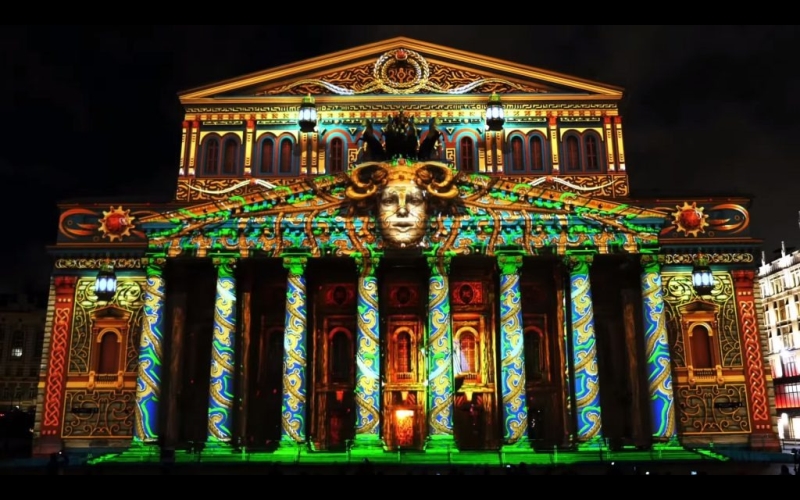
3D projection mapping has cemented itself as one of the most transformative visual technologies today. By projecting striking graphics and animations onto irregularly shaped objects and structures, projection mapping creates fully immersive experiences that engage audiences on a profoundly deeper level. When done right, it fuses storytelling, design, and technology beautifully.
However, behind the mesmerizing public spectacles lies intensive preparation involving diverse technical and logistical considerations. Without proper planning, it’s easy for things to go wrong, no matter how sophisticated the equipment used. Network outages, misalignments, lens limitations or simple content glitches can rapidly deflate the desired ‘wow’ factor.
That’s why partnering with the right experts and allowing ample lead time is crucial when planning projection mapping for your event, marketing activation or architectural installation. Let’s explore some key requirements to help set your next 3D mapping project up for success.
Understanding Goals and Selecting Surfaces
Every event and location poses unique considerations that inform technical needs. Formulating clear creative goals and performance objectives right from the start allows visualization partners to recommend appropriate mapping surfaces, equipment types and content approaches.
Will the projection be indoors or outdoors? Should content accentuate architectural contours or conceal them? What venues offer required throw distances and angles? How will factors like wind or rain impact exterior setups? All these questions guide tailoring projection solutions that align with your vision while working within practical constraints.
Onsite Evaluations – Sizing Up the Canvas
Nothing beats evaluating a venue in-person through an extensive site survey. This allows taking exact measurements of all projection surfaces and accounting for ambient light conditions. For intricate surfaces, specialized LIDAR laser scanners may be utilized.
The site visit also identifies optimal locations to position projectors and what rigging or mounting options are feasible. Having 3D models of the physical layout makes it easier to pre-visualize content mapping during production.
Power of Light – Selecting Projectors
One cannot overstate the importance of using adequate and professional-grade projection equipment based on venue size, shape and ambient light levels. Expect to invest at least mid-five figures for medium-sized installations.
With projection distances ranging from a few feet to over 300 feet for architectural mappings, suitably powerful projectors with lenses offering wide zoom ranges help achieve the required image sizes. Advanced projectors also allow for edge blending, geometry correction, and camera-based calibration for multi-projector setups.
Viewing Angle Matters
A theater stage offers a relatively fixed audience perspective compared to interactive 360-degree architectural mapping shows where content must look convincingly realistic from all directions. This requires ‘masking’ techniques during 3D modeling and rendering to embed accurate environment reflections and lighting dynamics matching viewer angles.
For immersive dome projections, spherical rendering helps distribute pixel density equally in all directions. The additional effort results in unparalleled realism as audiences freely move around and observe reflections morph realistically.
Content Creation and Management
Based on goals, budgets and timelines, projection mapping content is either custom-created or selected from existing media libraries. Particle effects, 3D assets and motion graphics woven together effectively result in memorable shows.
Robust media servers not only drive and sequence graphical content over multiple displays but also consolidate control functionalities related to edge blending, geometry correction, camera-based calibration and interface with show control systems.
Allowing ample lead time for 3D modeling, animation, rendering and programming is key. For fluid multi-surface projections at 60fps under changing lighting, rendering performance is pushed to the limits. Factor about 3-4X the final show length for production.
Execution – Precision Alignment is Paramount
To leverage surrounding architecture effectively, images must be framed and aligned perfectly across sometimes unusually contoured expanses. High-end projection software features an array of manual and automated alignment capabilities like edge blending, projector calibration and camera-guided warping.
Room geometries may also require using edge masks during blending to minimize spill onto undesirable surfaces that degrade viewing. Masks may be manual or integrated using projection mapping camera feedback for dynamic control.
Contingencies – Prepare to Troubleshoot!
Despite extensive planning, the only certainty on site is uncertainty! Network outages, weather issues, unexpected light pollution or simple alignment difficulties can quickly unravel without prompt troubleshooting.
Having standby equipment, spare lamps, cables, media servers preloaded with content and backup rendering devices helps bypass common issues. Personnel must also be prepared to rapidly address problems from misbehaving software modules to blown projector lamps.
Getting projection mapping right without visual imperfections takes skill. So whether the canvas is a national monument, stage set, corporate lobby or your product launch auditorium, partner with established projection mapping creators for flawless, high-impact experiences. Their ability to translate visions into reality through a meticulous orchestration of light, content and technology is what leaves audiences awe-struck night after night.
