

Introduction
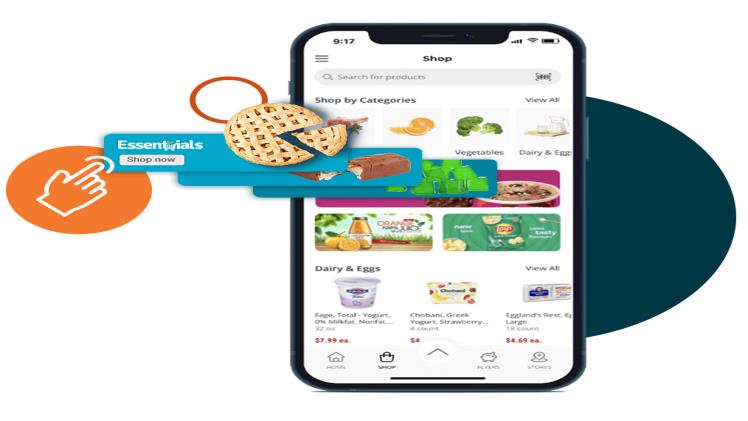
Grocery mobile apps are changing how we shop. This technology not only makes buying groceries easy, but it also provides personalized offers that enhance the overall customer experience. This is instrumental in the current market, offering quick, convenient, and customized shopping experiences right from the customer’s phone. Here’s why grocery mobile apps stand out:
- Convenience at Their Fingertips: Customers can shop for groceries anytime, anywhere.
- Tailored to Individual Preferences: Shoppers get recommendations and deals that suit their taste and needs.
- Strategic Planning: Use customer data to understand who is using your app and what offers will appeal to them.
- Launch and Growth: Launching your app successfully will help retain your customers and grow your business.
Whether you are new in this field or looking to upgrade your existing service, this article is your blueprint for integrating a thriving grocery mobile app. As we delve into each stage of the process, we will provide insights and practical advice to navigate the competitive world of grocery ecommerce. Here’s how to make your grocery mobile app a success story:
Understanding Consumer Behavior and Preferences
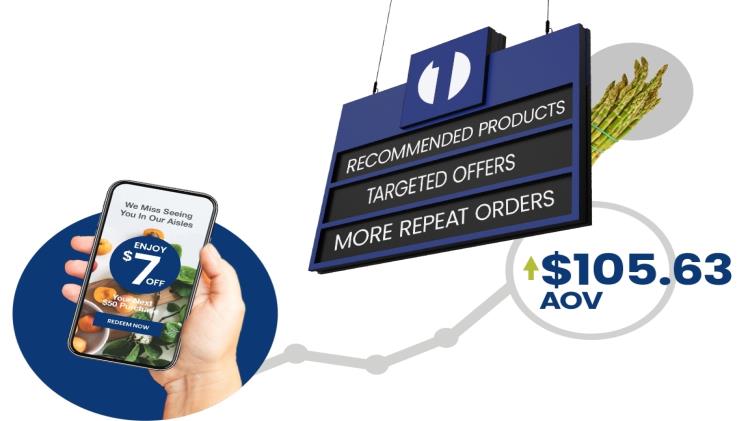
In the current market, understanding consumer behavior and preferences is crucial to the success of grocery mobile apps. Following is a breakdown of what consumers look for in grocery pickup and delivery services:
- Preference for Convenience: Consumers increasingly prefer the convenience of either picking up their groceries or having them delivered. They value time-saving solutions that fit into their busy lifestyles.
- Expectation for Reliability: Reliability in delivery and pickup services is vital. Customers expect their orders to be accurately delivered or ready for pickup promptly.
Additionally, there is a growing reliance on mobile apps for grocery pickups:
- Mobile App Usage: Many consumers use mobile apps to notify stores of their arrival for pickups. This trend indicates a preference for contactless and efficient service.
- Integration with Daily Life: Mobile apps are becoming a part of shopping, from making lists to placing orders and scheduling pickups.
The development and success of a grocery mobile app relies on understanding these behaviors and preferences. Catering to these needs can significantly enhance customer satisfaction and loyalty.
The 11-Step Guide to Launching a Grocery eCommerce Mobile App
Launching a grocery eCommerce mobile app is a multifaceted process that demands strategic planning and execution. This guide provides an essential roadmap for businesses venturing into the digital grocery space. It outlines the crucial steps to take your concept from an idea to a fully operational app. These steps ensure a successful launch, sustainable growth, and adaptability in a competitive market.
- Market Research: Understand your audience and market trends. Identify what customers want in a grocery app.
- Define App Objectives: Set clear goals for what your app should achieve, like convenience, speed, or variety.
- Choose the Right Technology: Select a platform that supports the features and user experience that you want to provide on your app.
- Design for User Experience: Create an intuitive and appealing interface that makes shopping easy and enjoyable.
- Develop a Robust App: Ensure your app is reliable, fast, and easy to navigate.
- Test Thoroughly: Check for bugs, user interface issues, and overall performance.
- Plan Your Launch: Create a strategy for introducing your app to the market.
- Marketing and Promotion: Use digital marketing, social media, and in-store promotions to attract users.
- Gather User Feedback: After launch, listen to what users say about your app to make improvements.
- Update and Innovate: Regularly update your app with new features and respond to changes in market needs.
- Analyze and Adapt: Monitor app performance and adapt new strategies.
Following these steps will lay a solid foundation for the success of your grocery app. The journey from ideation to launch requires dedication and responsiveness to market trends and customer feedback. By adhering to this guide, businesses can effectively navigate the complexities of the digital grocery market, ensuring the successful launch of their app, and continue to thrive and evolve with changing consumer demands.
Pre-Launch Activities: Setting the Stage
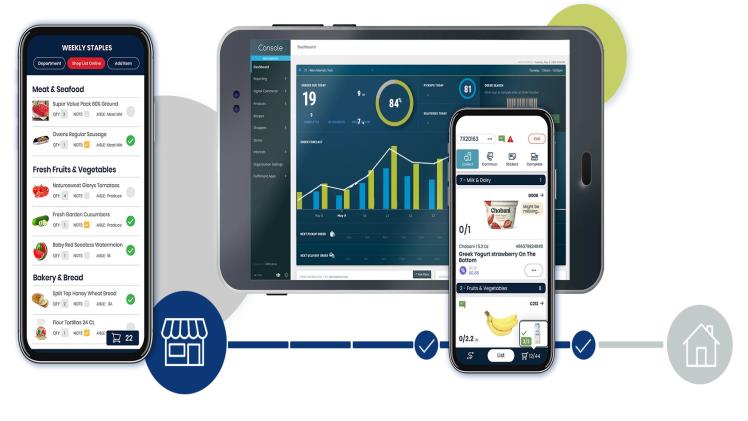
Setting the stage for a successful app launch involves crucial pre-launch activities. These activities lay the groundwork for a successful app, ensuring your app is fully prepared for launch and positioned for success. Here is what you can do:
1. Engage with eCommerce Platform Providers: Early interaction with your eCommerce platform providers is vital. Communicate your needs and expectations. This collaboration will help shape the app to meet your business requirements and ensure smooth integration with existing systems.
2. Know Your Target Audience: A deep understanding of your target audience is the cornerstone of a successful app. This step involves:
3. Gathering Data: Collect and analyze data on customer preferences, shopping habits, and feedback.
4. Identifying Needs and Expectations: Understand what your audience expects from a grocery app, functionality, usability, and features.
5. Tailoring Your Approach: Use this information to design your app, introduce features, and implement marketing strategies to resonate with your target audience.
6. Finalizing App Features and Functionality: Decide on the features and functionalities of your app based on your market research and understanding of your audience. Decide on payment options, delivery tracking, user interface design, and more.
7. Building a Marketing Strategy: Develop a comprehensive marketing plan to create buzz around your app before its launch. It could involve teaser campaigns, social media promotion, email marketing, and partnerships.
8. Setting Up Operational Logistics: Ensure all logistical aspects are in place, including inventory management, delivery systems, and customer support mechanisms.
By meticulously planning these pre-launch activities, you can ensure a smoother transition to the launch phase, setting up the foundation for the success of your app in the competitive digital grocery marketplace.
Defining the Value and Features of Your App
Articulating the value proposition of your new app is a critical step in the pre-launch phase. It is about defining what sets your app apart. Here is how to approach this:
- Clarify the Unique Value Proposition (UVP): Identify what sets your app apart, such as faster delivery or a more user-friendly experience. Your UVP should fill a specific market need uniquely addressed by your app.
- Focus on Customer Benefits: Highlight how features directly benefit users. For instance, promote real-time tracking to ensure timely delivery for every order.
- Essential Features and Functionalities:
-
- Easy Navigation and Search: Ensure users can find what they are looking for quickly and easily.
- Personalized Recommendations: Use customer data to offer personalized product suggestions.
- Seamless Checkout Process: A simple and secure checkout to reduce cart abandonment.
- Real-Time Order Tracking: Allow customers to track their orders from the store to their door.
- Robust Customer Support: Ensure support is easily accessible for queries or issues.
- Innovative Add-Ons: Consider what additional features could enhance the shopping experience. It could include in-app grocery lists, recipe suggestions, or integration with smart home devices.
- Regular Updates and Improvements: Show commitment to continuously improving the app based on customer feedback and technological advancements.
By clearly defining the value and features of your app, you can create a compelling narrative that resonates with your target audience and differentiates your offering in the market. It will bridge the gap between your app’s capabilities and users’ needs and desires.
Building a Communications Strategy
A robust marketing and communications plan is essential for a successful app launch. It informs potential users about the app. It is also crucial to engage them and build anticipation. Here is how to create an effective strategy:
- Identify Target Audience: Know who you are communicating with. Tailor your messages to resonate with their needs and preferences.
- Choose the Right Channels: Use a mix of digital and traditional channels. Consider social media, email marketing, PR, and in-store promotions to reach a wider audience.
- Create Compelling Content: Develop engaging content to highlight the features and benefits of your app. Use videos, infographics, and blogs to tell your app’s story.
- Leverage Social Proof: Share testimonials and reviews to build trust and credibility.
- Monitor and Adjust: Track the performance of your communication efforts and be ready to adjust your strategy for maximum impact.
A well-planned communications strategy helps launch the app successfully. It sets the stage for its long-term success in the market.
Metrics for Measuring Success
Tracking the success of your grocery mobile app is crucial for understanding its impact and areas for improvement. Here are key metrics and Key Performance Indicators (KPIs) to consider:
1. User Acquisition Metrics:
- Download Numbers: Tracks how many users have downloaded the app.
- Installation Rates: Measures how many of these downloads lead to installations.
- Source of Downloads: Identifies which marketing channels are most effective.
2. User Engagement Metrics:
- Active Users: Monitors daily, weekly, and monthly active users.
- Average Session Length: Time spent by a user per session.
- Retention Rate: Percentage of users who return to the app after their first visit.
3. Conversion Metrics:
- Conversion Rate: The percentage of users making a purchase.
- Cart Abandonment Rate: Identifies how often users leave without completing a purchase.
4. Revenue Metrics:
- Average Order Value (AOV): Average spending per transaction.
- Customer Lifetime Value (CLV): Revenue predicted from a customer over their relationship with the app.
5. Customer Satisfaction Metrics:
- Customer Feedback and Ratings: Qualitative insights from users.
- Net Promoter Score (NPS): Measures the likelihood of users recommending the app.
Regularly monitoring these metrics provides valuable insights into the app performance, user preferences, and areas needing enhancement. This data-driven approach will refine the app strategy and ensure long-term success.
Launch Phase: Implementing Strategies
The launch phase of your grocery mobile app is critical, marking the transition from development to market presence. In this phase, employing effective strategies and actions in the app can profoundly influence the initial acceptance and the long-term success. Here are key strategies to implement:
1. Incentivizing Customers:
- Offer introductory deals, like first-order discounts, to encourage downloads and usage.
- Implement loyalty programs to reward frequent users, fostering long-term engagement.
2. Engaging Marketing Campaigns:
- Launch targeted marketing campaigns across various channels, including social media, email, and in-app promotions.
- Utilize eye-catching visuals and compelling copy to grab attention.
3. Collaboration with Influencers and Partners:
- Partner with influencers and local businesses to expand your reach.
- Use collaborative marketing to tap into the existing customer base of partners.
4. Collecting Feedback:
- Implement mechanisms for immediate user feedback within the app.
- Monitor social media and app store reviews to gather user sentiments and address concerns promptly.
5. Real-Time Monitoring and Adaptation:
- Keep a close eye on app performance metrics from day one.
- Be ready to make quick adjustments based on user behavior and feedback.
6. Announce Launch Publicly:
- Use press releases and media outreach to announce the launch, creating a buzz in the market.
Implementing these strategies during the launch phase ensures a successful introduction of the app to the market. It lays the groundwork for sustained growth and user engagement.
Post-Launch: Monitoring and Adapting
After launching your grocery mobile app, the focus shifts to maintaining its momentum and ensuring its long-term success. Key post-launch activities involve strategies for user retention, expanding app usage, and continuous monitoring. Here is how to approach this critical phase:
1. User Retention Strategies:
- Engage users with regular updates, including new features and improved functionalities.
- Use push notifications and email marketing to inform users about special offers and updates.
- Implement loyalty programs to reward repeat usage.
2. Expanding App Usage:
- Introduce new services or features based on user feedback and market trends.
- Encourage users to explore different aspects of the app through guided tutorials or incentives.
- Collaborate with other brands or services to offer bundled deals or integrated services.
3. Continuous Feedback Monitoring:
- Regularly review user feedback from various channels, including app reviews, social media, and direct communications.
- Conduct surveys or focus groups to gain deeper insights into user experiences and expectations.
4. KPI Tracking:
- Continuously monitor key performance indicators like user acquisition, engagement, conversion rates, and customer satisfaction.
- Use analytics tools to track user behavior within the app, identifying popular features and potential areas for improvement.
5. Adaptation and Improvement:
- Be agile in making necessary changes to the app based on user feedback and KPI analysis.
- Stay updated with market trends and technological advancements to keep the app relevant and competitive.
By focusing on these post-launch activities, you can ensure that your grocery mobile app retains its user base, and that it grows and evolves in line with user needs and market dynamics.
Conclusion
Successfully launching a grocery mobile app is a comprehensive process that involves several crucial steps. It begins with understanding consumer behavior and preferences, which informs the development of unique value propositions and features of the app.
Pre-launch activities are vital, including engaging with grocery ecommerce platform providers and knowing your target audience. A well-crafted communications strategy is essential for marketing and promoting the app effectively. During the launch phase, focus on incentivizing customers and collecting their feedback, setting the stage for long-term success.
Post-launch, the journey continues with a focus on monitoring and adapting. It includes strategies for user retention, expanding app usage, and continuously analyzing feedback and performance metrics.
The digital grocery market is dynamic. Continuously adapt and improve the app based on customer needs and market trends. By following these steps and remaining responsive to user feedback and market changes, businesses can ensure their grocery mobile app launches successfully and thrives.
Frequent Asked Questions
What are the consumer preferences driving the need for grocery mobile apps?
Consumers are increasingly seeking convenience and a shift towards online grocery shopping. They prefer apps that offer quick, easy access to products, personalized shopping experiences, and the ability to shop anytime, anywhere. This trend towards convenience and personalized shopping experiences is driving the development and adoption of grocery mobile apps.
How important is it for grocery apps to offer pickup and delivery options?
The importance of offering pickup and delivery options is increasing in grocery apps. A growing number of consumers are using these services for their grocery shopping needs, preferring the flexibility and time-saving aspects they provide. These options cater to the modern consumer’s desire for efficiency and convenience, making them essential features for any competitive grocery app.
What role do mobile apps play in the grocery pickup process?
Mobile apps play a crucial role in streamlining the grocery pickup process. They provide consumers with a platform to place orders, choose pickup times, and notify the store upon arrival. This efficiency enhances the customer experience, making pickups smoother and more convenient, and often includes real-time notifications and updates.
How can grocery retailers ensure their mobile apps meet customer expectations?
Grocery retailers can ensure their apps meet customer expectations by continuously gathering and analyzing customer feedback. They should focus on offering personalized experiences, easy navigation, reliable performance, and features like real-time order tracking. Regular updates based on customer preferences and market trends are essential for keeping the app relevant and user-friendly.
How Should Grocery Retailers Approach App Marketing and Communication?
Grocery retailers should approach app marketing and communication by developing a comprehensive strategy that includes a mix of digital and traditional marketing channels. They should focus on creating engaging content that highlights the app’s features and benefits, targeting their messaging to specific demographics and behaviors of their audience. Utilizing social media, email marketing, in-store promotions, and influencer partnerships can effectively build awareness and drive app downloads.
