

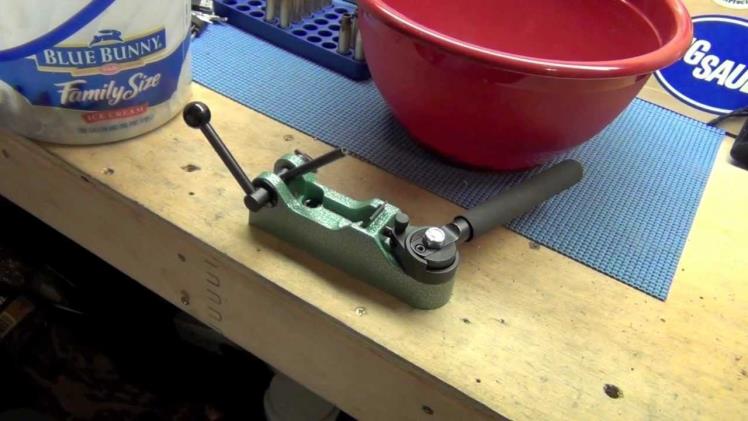
If you are someone who is very particular about reloading, then you probably know the importance of having the right tools to get the job done. From having the right reloading dies 308 to decapping tools and more, there are certain tools that are a must-have in your kit. One tool that every reloader should consider adding to their arsenal is the primer pocket swager. This is one tool that helps in reloading the process of resizing the primer pocket. It helps ensure the new primer fits securely in the brass casing. Let’s discuss this topic in detail and also discover why it is a must-have tool in your toolbox.
What Is A Primer Pocket Swager?
A primer pocket swager is a tool that is designed to remove the crimp from the primer pocket. The crimp is a small ring of brass that is formed around the primer pocket to hold the primer in place. Removing the crimp allows the new primer to be seated correctly. The crimp is put in place by the manufacturer to hold the primer in place during the shipping and handling. However, it needs to be removed before you can reload the brass casing, and the primer pocket swager helps with that.
Two Types of Primer Pocket Swager
There are two main types of primer pocket swagers: manual and automatic. Manual swagers require you to use a press to swage each primer pocket individually, while automatic swagers can swage multiple primer pockets at once. Both types of swagers have advantages and disadvantages, so it’s important to choose the one best suited to your needs.
Top Reasons That Make It A Must-Have Tool:
There are several reasons why a primer pocket swager is a must-have tool for any reloader. Here are just a few:
Saves Time
One of the biggest advantages of using this tool is that it helps you save a lot of time. Removing the crimp from around each primer pocket manually can be a time-consuming process. However, with the help of a swagger, you can easily swage multiple primer pockets at once. Streamlining your reloading process allows you to spend more time perfecting your craft and less time on repetitive and mundane tasks. So, whether you’re a seasoned reloader or just starting out, this tool is an essential addition to your kit that will save you time and effort in the long run.
Ensures Consistent Primer Seating
Seating of the primer is very important. When the crimp is not removed from around the primer pocket, it causes inconsistencies in the primer seating. This can lead to misfires, which are frustrating and very dangerous, specifically for beginners. So, by using a primer pocket swager, you can ensure that each primer is seated consistently and securely. This helps in reducing the risk of misfires.
Extends The Life Of Your Brass Casings
Brass casings are expensive, and thus, you surely want to use them for as long as they efficiently work. Fortunately, the primer pocket swagger helps you with that. When you remove the crimp from around the primer poker, you are extending the life of your brass casings. This is because the crimp can cause the brass to become a little brittle over time. This can lead to cracks and other issues. So, by removing the crim, you are reducing the stress on the brass casings, which helps extend their life span.
Helps Improve Accuracy
When reloading ammunition, the primer pocket plays a crucial role in the ignition process. However, if the primer pocket is improperly crimped, it can cause issues with seating depth and lead to inconsistencies in ignition. This can ultimately impact the accuracy of your shots. To avoid this issue, swaging the primer pocket before seating a new primer is important. Swaging essentially reforms the primer pocket to its correct dimensions, ensuring that the new primer is seated at the correct depth.
Final Words!
In conclusion, a primer pocket swager is a must-have tool if you’re serious about reloading. It can save you time, ensure consistent primer seating, extend the life of your brass casings, and improve accuracy. Whether you choose a manual or automatic swager, adding this tool to your reloading kit is sure to pay dividends in the long run.
