

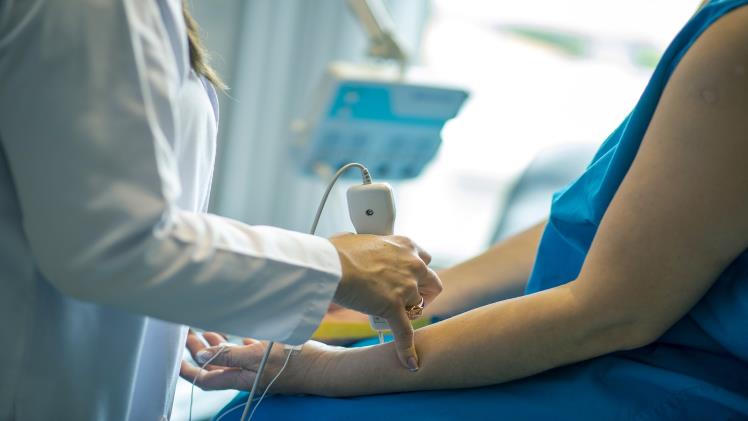
The use of cannabis for medicinal purposes has gained significant attention and acceptance in recent years as a potential treatment option for various medical conditions. While cannabis was once stigmatised and classified as a Schedule I controlled substance, it is now legal for medical use in many states and countries around the world. However, before considering the use of medical marijuana as a treatment option, it’s essential to understand the key considerations and factors that come into play.
In this comprehensive guide, we’ll delve into the various aspects of medical cannabis use, from its therapeutic potential to legal and safety considerations, and provide you with a well-rounded perspective to make informed decisions.
Understanding Medical Cannabis
Before delving into the considerations, it’s vital to understand what medical cannabis is and how it differs from recreational cannabis. Medical cannabis refers to the use of the cannabis plant or its extracts to treat or alleviate symptoms of various medical conditions. Unlike recreational cannabis, which is used primarily for its psychoactive effects, medical cannabis is chosen for its therapeutic benefits.
Therapeutic Potential
One of the most significant considerations when exploring medical cannabis is its therapeutic potential. Research has identified several compounds in cannabis that may provide medicinal benefits. The two primary compounds of interest are:
Tetrahydrocannabinol (THC): This is the psychoactive component of cannabis responsible for the “high” associated with recreational use. In medical cannabis, THC can help manage pain nausea, and stimulate appetite, making it particularly useful for conditions like cancer and HIV/AIDS.
Cannabidiol (CBD): CBD is a non-psychoactive compound that has gained attention for its potential therapeutic effects. It may help with anxiety, seizures, inflammation, and chronic pain, among other conditions.
Medical Conditions Suitable for Treatment
Medical cannabis may be considered as a treatment option for various medical conditions, including but not limited to:
- Chronic pain
- Multiple sclerosis (MS)
- Epilepsy and seizure disorders
- Cancer-related symptoms (pain, nausea, appetite stimulation)
- Glaucoma
- Inflammatory bowel disease (IBD)
- Post-traumatic stress disorder (PTSD)
- Crohn’s disease
- Parkinson’s disease
- Alzheimer’s disease
- Anxiety disorders
- Insomnia
It’s crucial to consult with a healthcare provider who specialises in medical cannabis to determine if it’s a suitable option for your specific condition.
Legal Considerations
The legal status of medical cannabis varies from one jurisdiction to another. Some countries and U.S. states have legalised medical cannabis, while others continue to prohibit its use. It’s essential to be aware of the legal framework in your area and ensure compliance with local laws.
Patient Eligibility and Medical Cards
In many places where medical cannabis is legal, patients must meet specific eligibility criteria to obtain a medical cannabis card or prescription. These criteria typically include having a qualifying medical condition and receiving a recommendation from a licensed healthcare provider. Patients should be prepared to provide medical records and undergo a thorough evaluation.
Dosage and Administration
Determining the appropriate dosage and method of administration is crucial when using medical cannabis. Dosage requirements can vary significantly from person to person, and finding the right dose may require experimentation under the guidance of a healthcare provider. Common methods of administration include:
Smoking: Inhaling cannabis through smoking is one of the fastest ways to feel its effects. However, it may not be suitable for individuals with respiratory issues.
Vaporisation: Vaporizing cannabis involves heating it to a temperature that releases the active compounds without combustion, reducing the potential harm to the lungs.
Edibles: Cannabis-infused edibles, such as gummies or brownies, provide a longer-lasting but slower onset of effects. It’s essential to be cautious with edibles, as the effects can be potent and unpredictable.
Tinctures: Tinctures are liquid extracts of cannabis that can be taken orally or sublingually (under the tongue) for faster absorption.
Topicals: Cannabis-infused creams, lotions, and balms can be applied directly to the skin for localised relief from pain and inflammation.
Potential Side Effects
Like any medication, medical cannabis can have side effects. Common side effects may include:
- Dry mouth
- Dizziness
- Drowsiness
- Impaired coordination
- Changes in appetite
- Mood changes, including euphoria or anxiety
It’s crucial to monitor for side effects and adjust the dosage or strain as needed under the guidance of a healthcare provider.
Drug Interactions
Medical cannabis may interact with other medications you’re taking. To assess potential interactions, it’s vital to inform your healthcare provider about all your current medications, including over-the-counter and supplements.
Strain Selection
Cannabis strains vary in their chemical composition, which can result in different therapeutic effects. Strains are typically categorised as indica, sativa, or hybrid, each with its unique profile. Indica strains are often associated with relaxation and pain relief, while sativa strains may be more uplifting and energising. Hybrid strains combine characteristics of both. The strain choice should align with your specific medical needs and desired effects.
Quality and Safety
Ensuring the quality and safety of medical cannabis products is paramount. When obtaining medical cannabis, seek products from reputable sources that undergo rigorous testing for potency and contaminants. Look for labels that provide information about cannabinoid content and terpene profiles, which can help guide your choice.
Potential for Dependency
While medical cannabis is generally considered safe, there is a potential for dependency, particularly with high-THC products. Individuals with a history of substance abuse should exercise caution and discuss their risk factors with a healthcare provider.
Access and Cost
Access to medical cannabis can vary depending on your location. In some places, there may be limited dispensaries or high costs associated with obtaining medical cannabis. It’s essential to factor in these considerations when planning your treatment.
Monitoring and Documentation
Keep a journal to track your experience with medical cannabis. Record the strain, dosage, and effects, both positive and negative. This documentation can be invaluable in refining your treatment plan and discussing your progress with your healthcare provider.
Alternative Treatments
Medical cannabis is not a one-size-fits-all solution, and it may not work for everyone. Explore other treatment options and therapies in conjunction with medical cannabis as part of a holistic approach to managing your medical condition.
Legal and Ethical Responsibilities
Finally, it’s essential to be aware of your legal and ethical responsibilities when using medical cannabis. Abide by the laws and regulations in your jurisdiction, and use cannabis responsibly. Avoid driving or operating heavy machinery while under the influence, and store cannabis products securely, especially if there are children or pets in your household.
Conclusion
Medical cannabis has the potential to provide relief and improve the quality of life for individuals with various medical conditions. However, its use requires careful consideration of legal status, patient eligibility, dosage, strain selection, and potential side effects. It’s crucial to work closely with a healthcare provider experienced in medical cannabis to create a personalised treatment plan that meets your specific needs. By approaching medical cannabis use responsibly and thoughtfully, patients can maximise its benefits while minimising potential risks. Always prioritise your health and safety when considering medical cannabis as a treatment option.
